
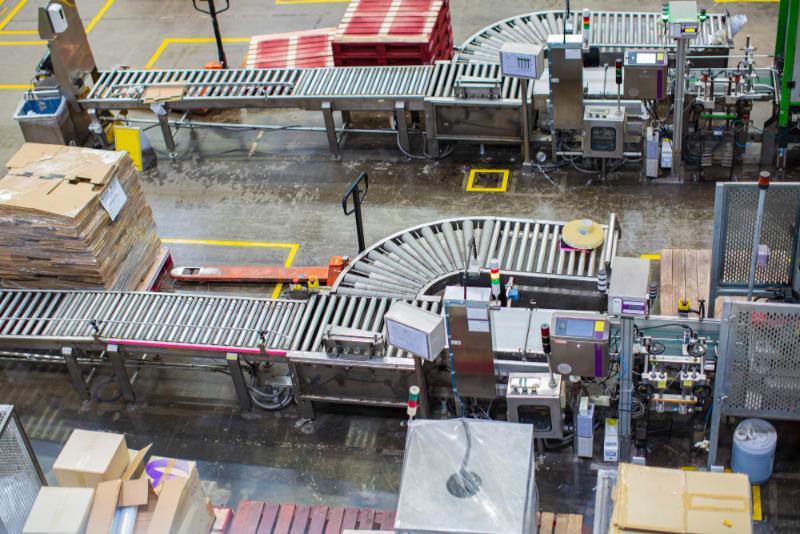
Automated Conveying Systems
Enquire Today For A Free No Obligation Quote
Here at Automated Conveying Systems, we specialise in material handling systems designed to transport products automatically through warehouses, factories, and distribution centres.
Automated conveying technology uses powered belts, rollers, sensors, scanners, and control systems to move goods between storage, processing, and shipping areas.
Since modern industrial operations require fast and reliable product movement, automated conveying systems improve operational efficiency and reduce manual handling.
As automated transport systems streamline internal logistics, automated conveying systems support high-performance warehouse and manufacturing operations.
Book a free consultation now to discuss automation solutions for your facility.
What are Automated Conveying Systems?
Automated conveying systems are mechanical systems that move products along predetermined pathways using powered conveyors and automated controls.
Industrial conveying systems typically include motorised belts, roller conveyors, sensors, programmable controllers, and automated routing systems.
Since automated product movement reduces manual labour and human error, automated conveying systems increase operational productivity.
As these systems maintain continuous product flow within facilities, automated conveying systems support efficient manufacturing and distribution processes.
What Types Of Automated Conveying Systems Are Available?
Automated conveying system installation includes several conveyor technologies designed for different operational environments.
Belt conveying systems transport goods using continuous belts across production or warehouse areas.
Roller conveying systems move cartons and packages using powered or gravity rollers.
Overhead conveying systems transport items above the working area to maximise floor space.
Chain conveying systems move heavy loads such as pallets or industrial components.
Modular conveying systems provide flexible layouts that can be expanded or reconfigured as facility operations evolve.
Since facilities handle products of different sizes and weights, automated conveying systems are designed to meet specific operational requirements.
What Are The Benefits Of Automated Conveying Systems?
The primary benefit of automated conveying systems is improving the efficiency and reliability of internal product movement.
Key benefits include:
- Improves operational efficiency in warehouses and factories
- Reduces manual handling and labour requirements
- Increases product movement speed in logistics facilities
- Enhances workplace safety by reducing manual lifting
- Supports automated production and distribution processes
Since automated systems maintain consistent product flow, automated conveying systems help reduce operational delays and improve productivity.
How Much Do Automated Conveying Systems Cost?
The cost of automated conveying systems ranges from £15,000 to £300,000+.
The cost depends on system size, complexity, and automation level.
Small automated conveying systems may start from approximately £15,000 to £40,000 for basic conveyor installations.
Medium conveying system projects commonly range between £40,000 and £150,000 depending on conveyor length and system features.
Large integrated conveying systems may exceed £150,000 to £300,000+ where advanced automation and sorting technologies are required.
Since pricing depends on system design, software integration, and installation requirements, tailored quotations are typically provided for automated conveying systems.
What Industries Use Automated Conveying Systems?
Automated conveying systems are widely used across several industrial and commercial sectors.
Warehouse and logistics centres use automated conveyors to move goods between storage and dispatch areas.
Manufacturing plants rely on conveying systems to transport products through production lines.
E-commerce fulfilment centres use automated conveyors for order processing and packaging.
Food processing facilities use conveying systems to move products through preparation and packaging stages.
Since automated material transport improves operational efficiency, automated conveying systems are essential for modern supply chain infrastructure.
How Long Does Automated Conveying System Installation Take?
Automated conveying system installation timelines depend on system size, complexity, and facility layout.
Small conveyor installations may take 2 to 4 weeks to complete.
Medium automated conveying system projects typically require 4 to 10 weeks including installation and testing.
Large automated conveying system installations may take 2 to 5 months or longer depending on integration requirements.
Since system design, installation, and testing must be carefully coordinated, automated conveying systems are installed through structured project phases.
How Do Automated Conveying Systems Work?
Automated conveying systems transport goods using motorised belts, rollers, or chain-driven conveyors controlled by automated systems.
Sensors and scanners detect product movement and direct items to specific destinations within the facility.
Since automated systems maintain continuous product flow, automated conveying systems improve operational efficiency.
As integrated control systems manage product routing, warehouses and factories benefit from reliable and accurate material handling.
Can Automated Conveying Systems Integrate With Warehouse Software?
Automated conveying systems can integrate with warehouse management systems (WMS) and warehouse control systems (WCS).
Software integration allows real-time monitoring and automated routing of goods.
Since digital integration improves inventory tracking and logistics management, automated conveying systems enhance operational visibility.
As automated systems communicate with management software, facilities benefit from improved workflow coordination.
Are Automated Conveying Systems Suitable For Heavy Loads?
Automated conveying systems can be designed to transport heavy industrial products and pallets.
Heavy-duty conveying systems use reinforced frames, chains, and rollers to support large loads.
Since industrial facilities often handle heavy materials, automated conveying systems can be customised for specific load capacities.
As strong conveyor structures distribute weight evenly, systems maintain reliable long-term performance.
What Maintenance Do Automated Conveying Systems Require?
Automated conveying systems require routine inspection and preventative maintenance.
Conveyor system maintenance includes checking motors, belts, rollers, sensors, and control systems.
Since continuous operation places wear on mechanical components, automated conveying systems require scheduled servicing.
As preventative maintenance reduces equipment failure and downtime, conveying systems remain efficient and reliable.
Request a Free Quote for Automated Conveying Systems
Automated conveying systems provide efficient and reliable solutions for transporting goods within warehouses, factories, and distribution centres.
Professional conveying system installation integrates conveyors, sensors, and automation software to create advanced material handling systems.
Since automated product movement improves productivity and reduces manual labour, automated conveying systems support modern logistics, manufacturing, and industrial operations.
Get in touch today for automated conveying systems designed to improve productivity and material flow.
Find More Info
Make sure you contact us today for a number of great automated conveying systems services.
For more information on Automated Conveying Systems in Barking IG11 8, fill in the contact form below to receive a free quote today.
★★★★★
We worked with Automated Conveying Systems to improve the efficiency of our production line. The system was well designed and integrated smoothly with our existing setup. Their team provided clear guidance throughout the process and completed the work on schedule. It has made a noticeable difference to our workflow.
Sean Ellison
Greater London
★★★★★
Automated Conveying Systems supplied and installed a solution that suited our operational needs perfectly. The equipment has been reliable, and the performance has remained consistent since installation. Communication was straightforward, and any queries were handled promptly. A solid choice for conveyor system projects.
Hannah Fields
Greater London